In Primo Levi’s 1946 short story ‘I mnemagoghi’, or ‘The mnemagogues’, a doctor named Montesanto has developed an olfactory process of recall by concocting chemicals which replicate smells from isolated moments of his life. He invites a junior physician, Morandi, to unstopper the vials and remark upon what he smells.
There is a moment in the story where the younger doctor opens a stopper, and, when asked what he thinks of it, says that it smells of barracks.
Montesanto in his turn sniffed. “Not exactly,” he answered. “Or at least not so for me. It is the odor of elementary school rooms; in fact, of my room in my school. I won’t expatiate on its composition; it contains volatile fatty acids and an unsaturated ketone. I understand that for you it’s nothing; for me it’s my childhood.”

Earlier this year I ripped my trousers trying to climb into a cricket stadium in Ahmedabad. Not Modi’s, to which breaking and entering would have been highly inadvisable, but the Sardar Vallabhbhai Patel Stadium. This is an important place. For cricket (it hosted the first-ever ODI in 1981), for architecture (designed by Charles Correa and Mahendra Raj, it is a clear example of India’s post-Independence architectural vernacular), and also for memory as it faced / faces abandonment despite the World Monuments Fund’s attempts at saving it.
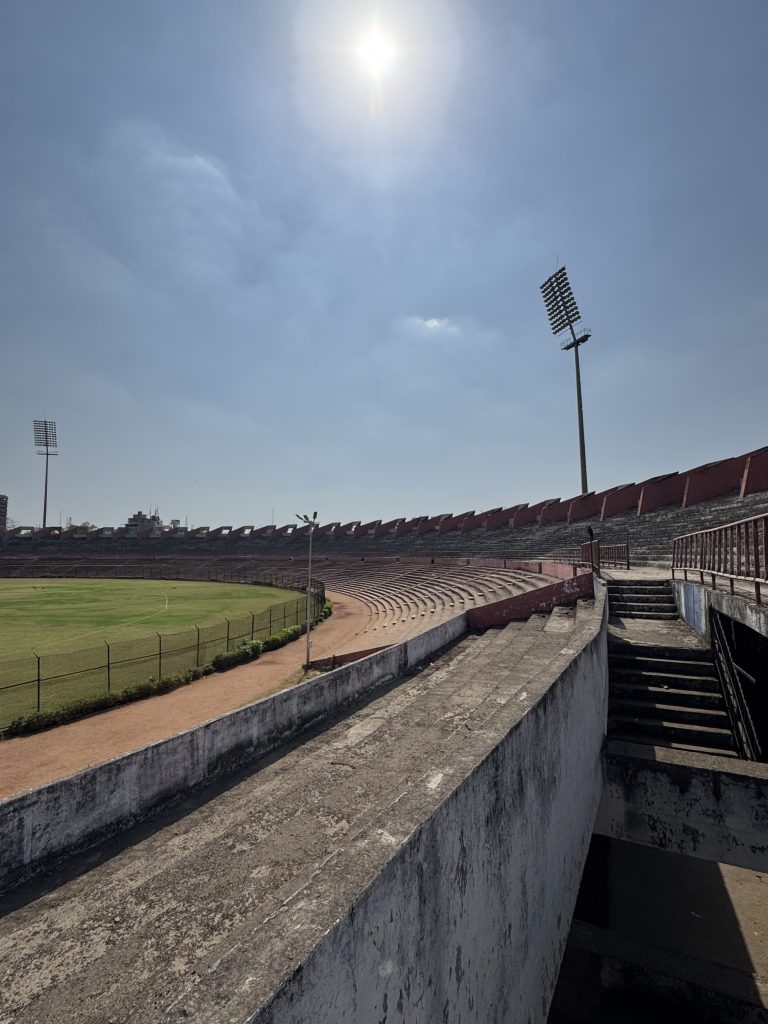
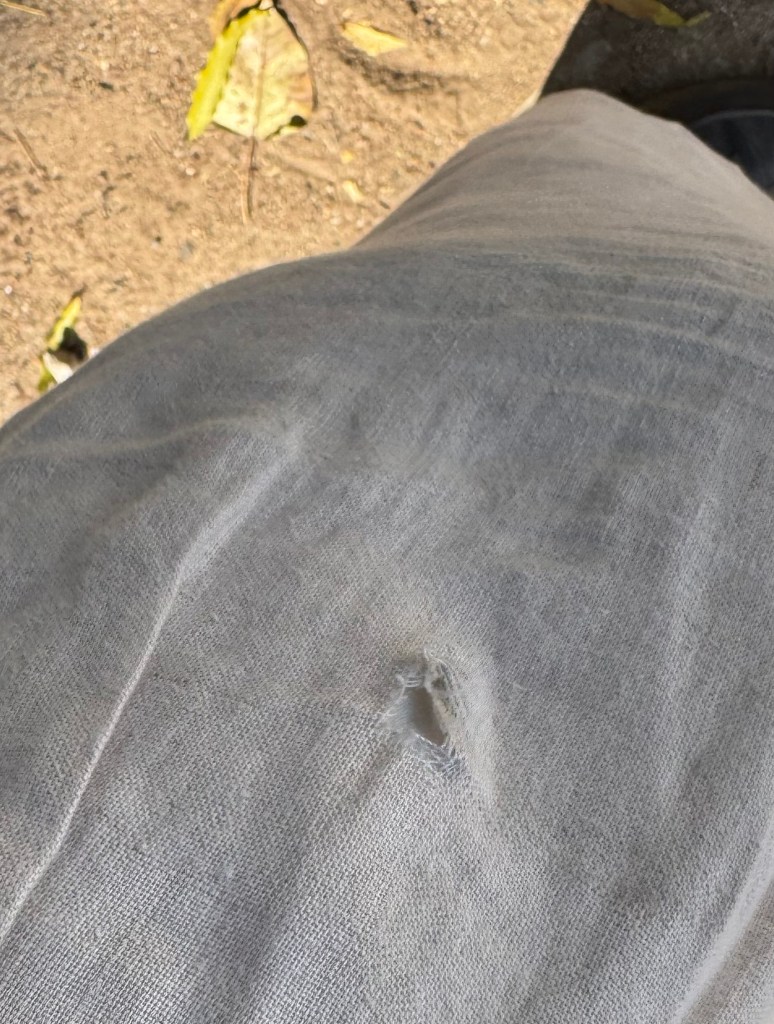
The stadium, and the rip.
I love the stadium. But I wonder how we should think of it. I am aware of an over-indexed impulse for conservation whenever I am before a slightly decaying testament to an older period of aesthetics. But what can it mean to me? What should it?
Levi’s story nods to the personal stakes around the attribution of meaning. To Morandi, another vial smells of ‘clean skin, powder, and summer’. When Montesanto smells it, the invasion of the older doctor’s personal archive emerges:
He put back the small bottle, and said, curtly ‘This is neither a place nor a time, it is a person’.
Here, Morandi’s version is, if not fully aligned with, clearly close to the older man’s version. The title, the Mnemagogues, speaks to a memory-driver, or bringer. The young doctor was ultimately too close, and Montesanto shuts down the conversation.
And so back to the ripped trousers, and my possibly feigned nostalgia for an Ahmedabad that was never mine. I am wearing them today, the hole now slightly bigger than it was when I first clambered over a particularly parlous wall. As you can see, they are still functional, the hole is over the left front pocket, and so doesn’t expose my pants unless the pocket is very awry.
To the people who have to witness that hole today, it is mere scruffiness. Indeed, it is also just that to me. But the cause of that scruffiness is firmly contained in a very particular moment in my time in Ahmedabad, a circuitous way of saying it made me think of Levi’s story.
And so to tie the threads, [to resew the trousers?], the past is of course not actually fixable, or containable as an idea, or a physician’s concoction in a vial. Levi’s story points out the chemical inconsistencies of memory, what the vials contain is just a prompt, like the stadium was for me.
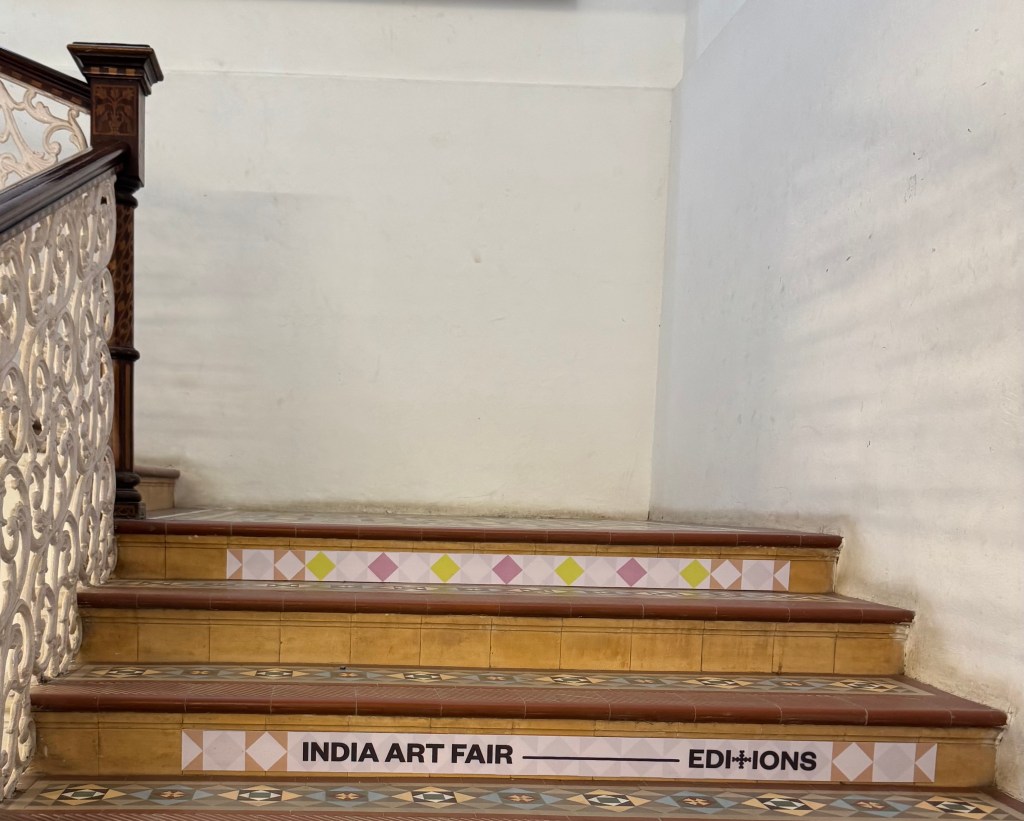
I went back to Ahmedabad on Friday for India Art Fair’s inaugural ‘Edition’ there. A programme of new exhibitions stretched across the city, with central events at Baronet House, Kanoria, and Amdavad ni Gufa. Preserved (to various degrees) memories of mid-century modernism sat alongside the present all weekend. This was the intersection of the modernism of Louis Kahn, BV Doshi, Le Corbusier, Husain, and the contemporary art world of India today.
There were new(ish) institutions like Indigo Art Museum, or very new ones such as MCAA (Museum of Contemporary Art Ahmedabad), alongside established galleries, both in situ like 079 or Archer, and other visiting Indian heavyweights such as Vadehra or Experimenter. The result was, I suspect, quite like the younger doctor Morandi’s interaction with another man’s memory-drivers; a slightly dizzying, delightful cocktail of creations and ideas.
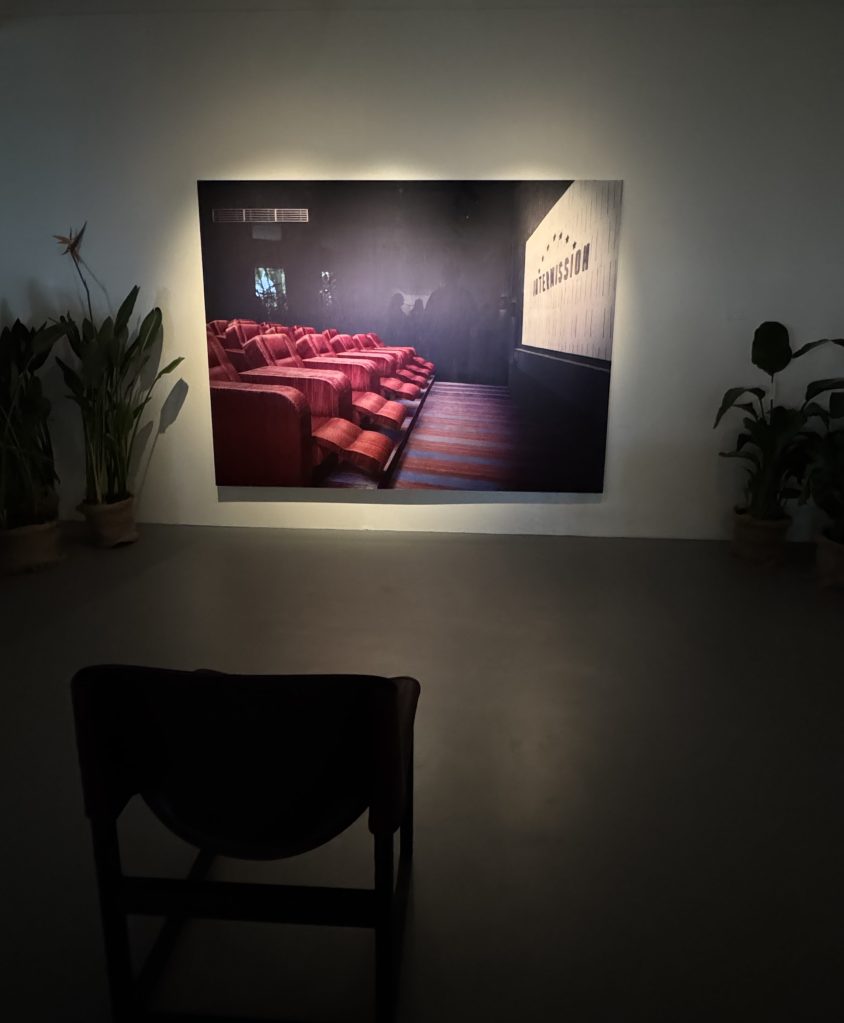
Similar also, because the same art means different things to different people. The subject of a work might seem beyond subjectivity, but no visual image is. This chair placed before these cinema seats in Bhupal’s meticulous work reminded me, before anything else, of a nap I once had on the reclining chairs of a cinema in Georgetown.
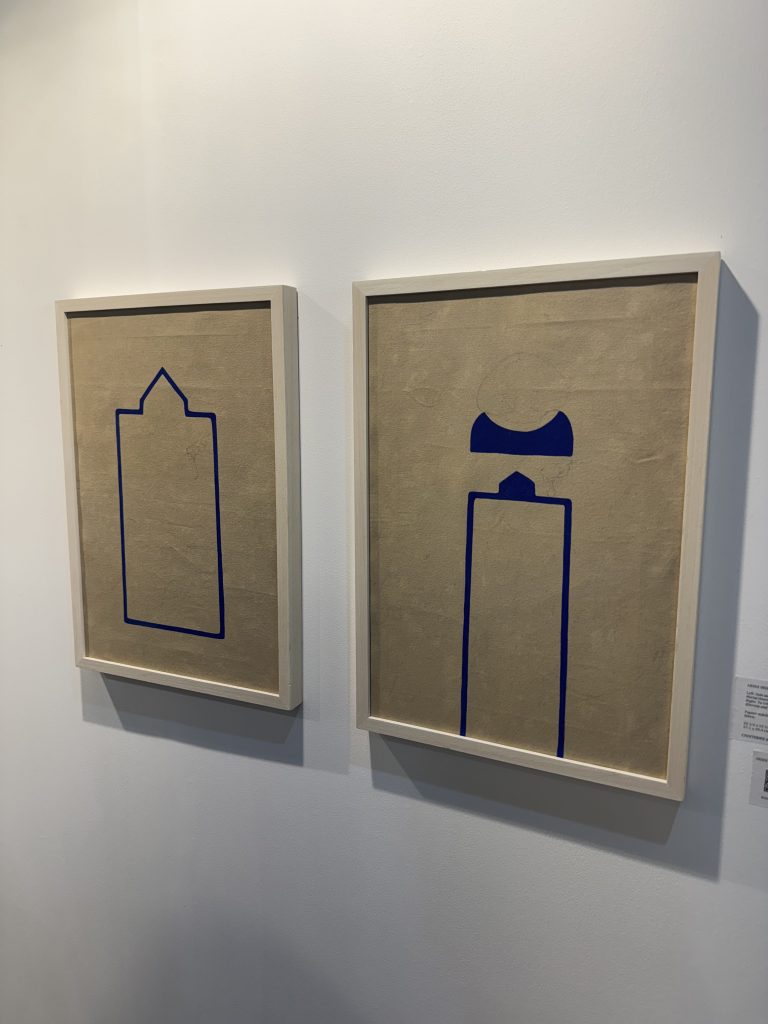
I might add that I didn’t take the trousers to Ahmedabad, despite the fact that Levi goes on to write of the ‘definite prevalence of the past over the present’. By way of contesting that, below are some contemporary things to celebrate (admittedly some from the slightly deeper past).
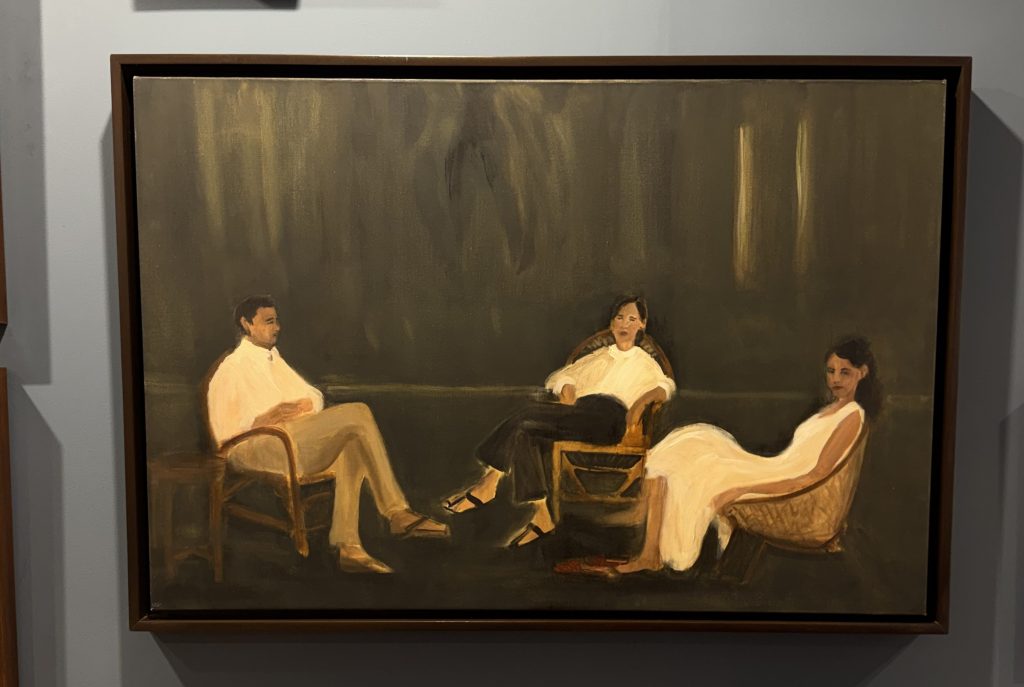
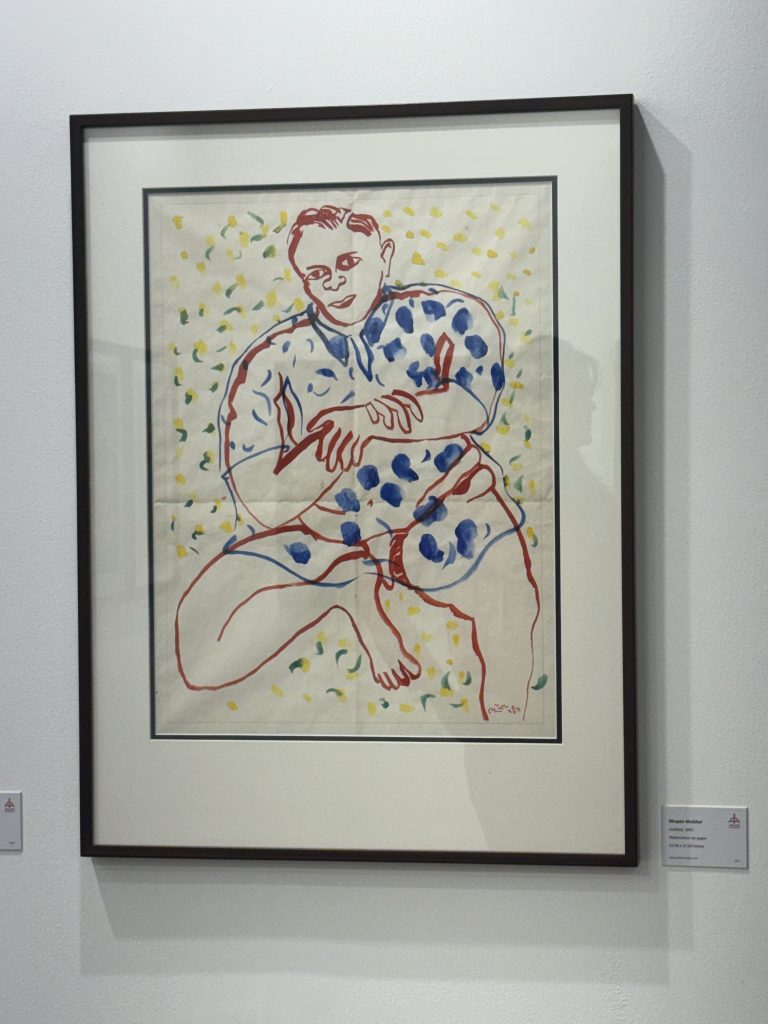
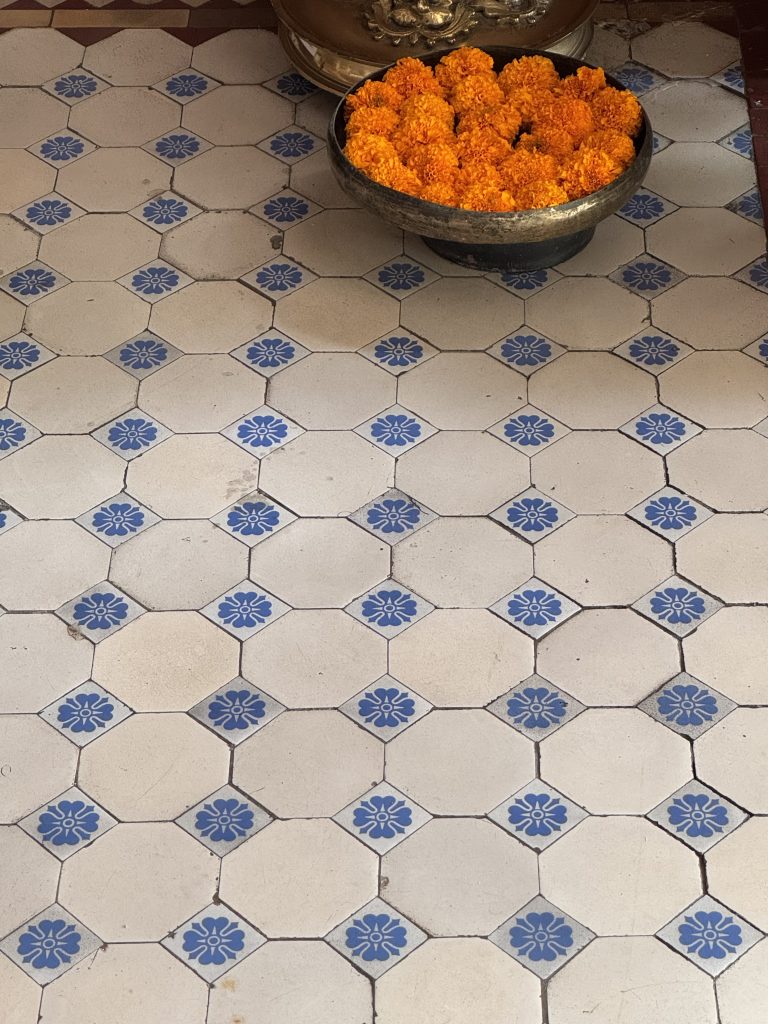
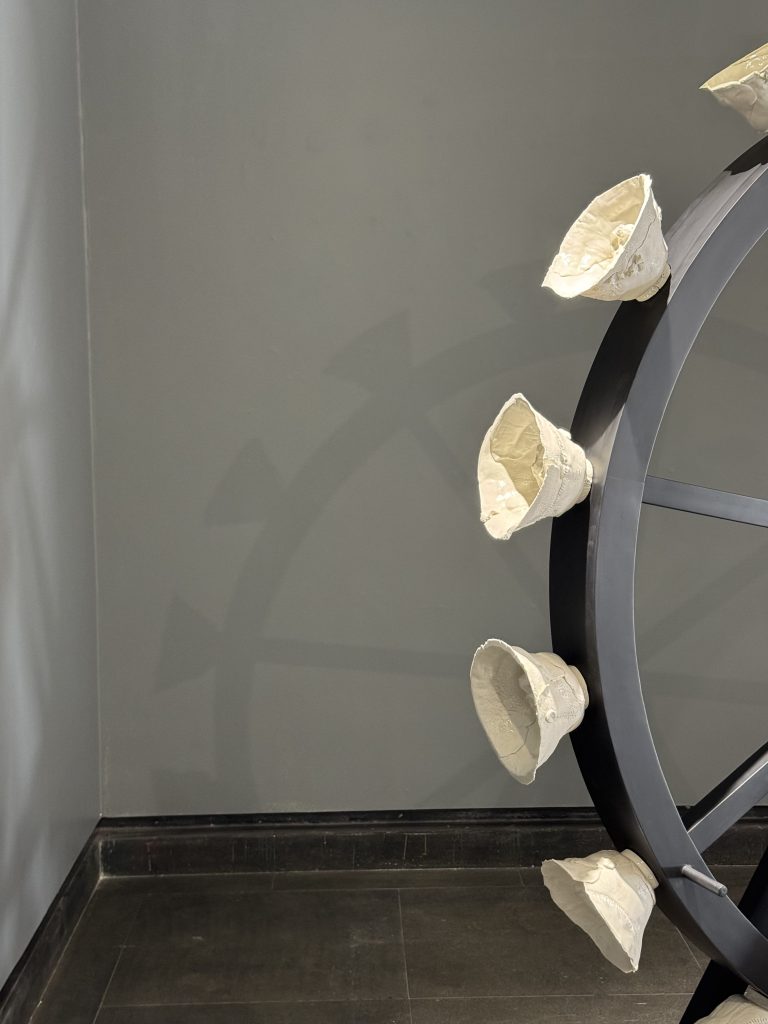
And to leave you, a bit more Levi:
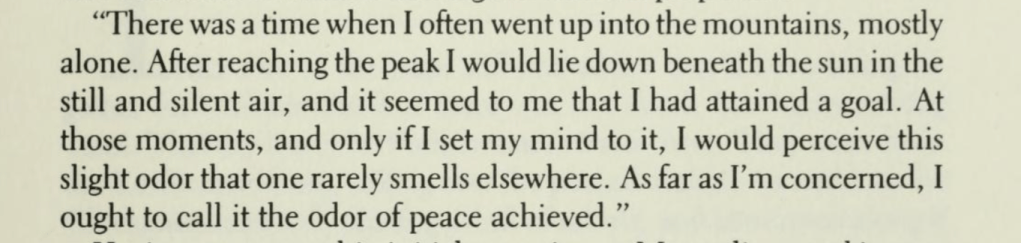
I am not sure what the sensible (Levi’s word) form of ‘art contemporaneity achieved’ would be for me. It would perhaps be a sequence across sensations; smell of fresh paint, sight of light on material, sound of shuffled feet, and probably, the fibres of the hole in my ripped trousers.
 G J Varley Art
Leave a comment