Thoughts and comments on the first chunk of 2025.
It is a strange time to buy art in India. You could argue all appears robust and rosy; on Thursday (19th March) a new record for South Asian art was set by the ever more expensive MF Husain (13.7 million dollars); ambition is high; confidence is sure. And yet the Indian art market remains, in global terms, quite small. For context, it is roughly the same size as Nigeria.
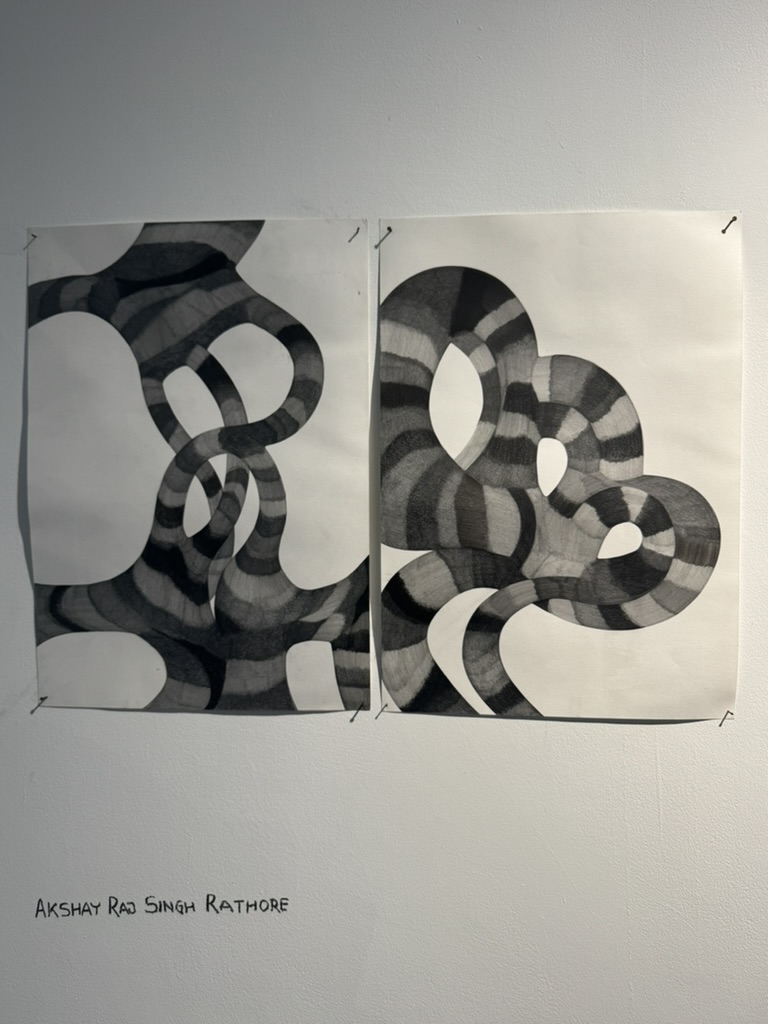
Cut to a bright, and even relatively breathable Delhi, and the second day of the India Art Fair. It felt frantic, so much so that it was soon ‘too full’. If you had registered interest, you were sent an email saying that there were too many people, and no one else was allowed in. There’s a metaphor in there. This came after a throbbing opening day; works sold, better works ignored – the usual art fair merry go round.
To zoom out briefly. This was year fifteen of the fair, so a perfectly arbitrary time to take stock of the contemporary market in India.
The optimist says that more people will buy art because more people will have money; India’s rich get richer, the middle class swells, and the art world becomes more globally recognised (as the optimist argues it must). But the pragmatist might add that there is currently a very mixed approach to ensuring that this change happens in a sustainable and measured way. And the realist would say this manifest on show at Delhi.
The speed of financial growth in industries beyond art creates a problem for the contemporary buyer. Or rather it bears a trace on their decision making. Art as a financial asset is eclipsing the idea of art as an aesthetic object. This endangers the reasons artists make work. And this is very threatening. The idea of a discerning buyer drops away. In turn, (quite reasonably) might the discerning maker.
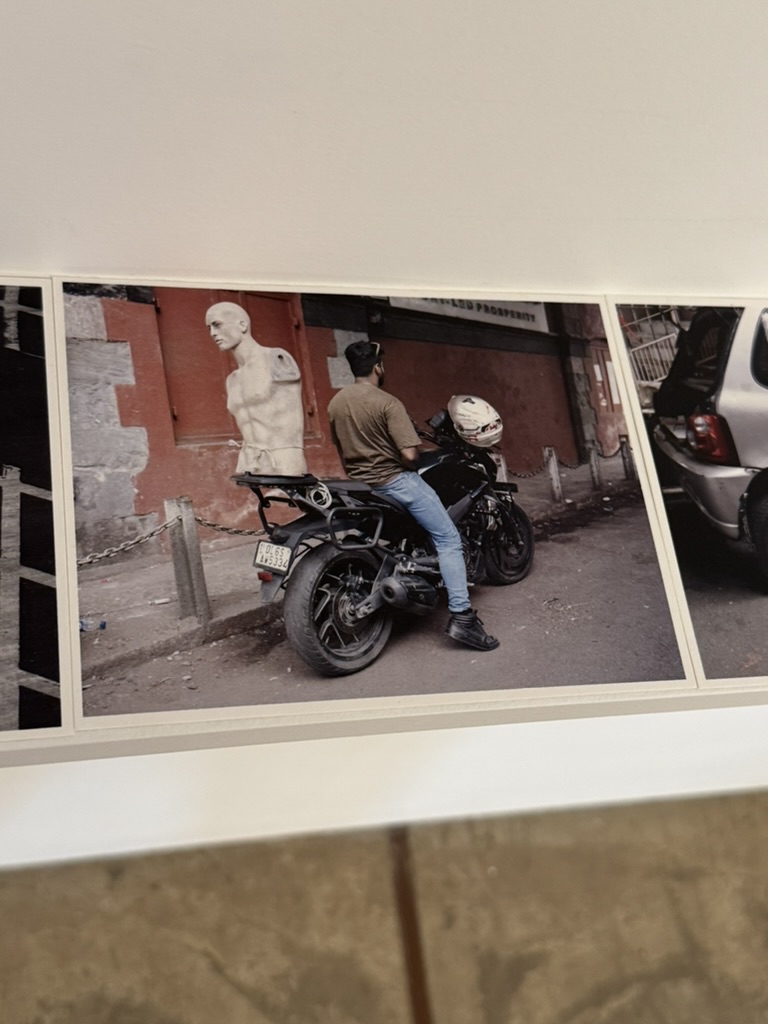
Of course there is good stuff happening. Nestled between art as asset or, perhaps (even worse) art as decor , is the artist who is exposing/reporting/assessing/deducing the changes or conditions that are rippling through India. Invariably this is a sentimental exercise (a word which bears soppy and faint hearted associations in traditional western art history). But sentiment as politic, as an individual practice which contests a narrative, is where important contemporary art in India lives. That sentiment could be observations of an underpass currently at Experimenter, Mumbai. It could be the gilt cardboard boxes of Pankaj Vishwakarma, reimagining a global object alongside a prized commercial commodity, but in fact making a point about the extreme pollution of his home town. It could be Vikrant Bhise’s Ambedkarite works.
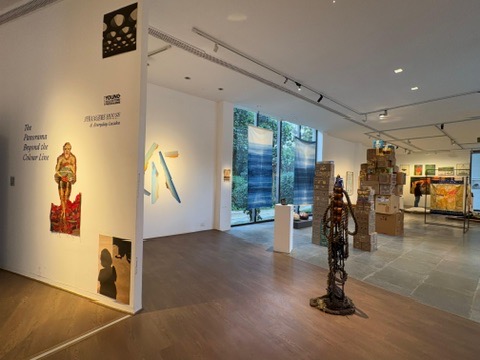
The panorama beyond the Colour Line, co-curator – GJV
At the fair I witnessed an important international art critic cut to pieces the work of nearly forty artists. His criticism (capital C), centred on the idea that no one cares about their identity, about their personal histories. He was not Indian, and in case you are labouring under misapprehension, nor am I. But, (and I acknowledge it may not be mine to feel) I felt vicarious outrage; of course these stories matter, I wanted to say. Of course you might not understand them – the works might need an explanation from the artist (for his benefit, in English – their second or most likely third language).
It seems to me that this is a crucial time for a brand of patience which looks at work slowly, and which discerns between the easy or digestible, and the significant.
So, with optimism, some good things, from the fair, and from the last few months.

‘Solitary Monk’ by Payal Jain at The Sculpture Park, Jaigarh, Jaipur

‘The Great Pyre’, Salik Ansari
 G J Varley Art
Leave a comment